- The Weekly Grind
- Posts
- The Best Tech Stacks Include People
The Best Tech Stacks Include People
Issue 09: The Weekly Grind

John Harden
July 03, 2025
👋 Welcome to the grind
I’m John Harden, and after years in the MSP world, I’ve got a few thoughts—and I’m not shy about sharing them. You might’ve seen me breaking things down on LinkedIn. This newsletter is where I connect the dots: fresh posts, honest takes on what’s really going on in the industry, and clips from recent webinars and livestreams. If you're building an MSP, navigating change, or just want a voice that gets it, subscribe and come along for the ride.
Coffee Chats Recap: Fixing Blinking Lights Is Easy, Building Community Is Hard (ft. Henry & Dawn, Tech Degenerates)
"Anyone can fix a server. Growing authentic communities and people takes real work." Dive into the realities, tactics, and heart behind building true professional communities.
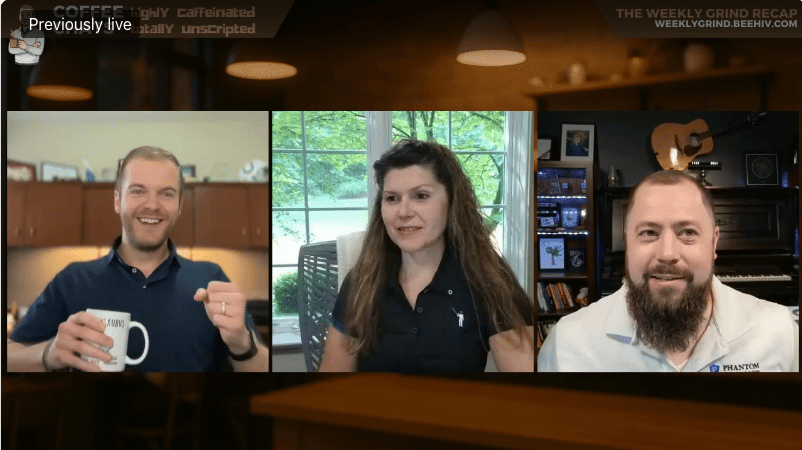
Come for the MSP advice, stay for my dance moves 🕺
🔍 What we learned:
It’s easy to fix “blinking broken lights,” the technical issues in any MSP or tech business, but as Dawn put it, “The people are the hard part.” This episode highlighted how authentic, purpose-driven communities rooted in vulnerability, listening, and true give-and-take become the real competitive edge in tech. Henry and Dawn emphasized that authenticity, transparency, and consistently showing up for others help solve shared challenges and foster genuine connection that moves everyone forward.
💡Biggest Takeaways:
Authenticity Trumps Transactions: “Community is not just picking up a bar tab. It’s about transparency, vulnerability, and sharing real experiences, not fake metrics or empty networking.”
Focus on People, Not Just Problems: Technical issues may get solved quickly, but growing people and community “is the tough part.” Invest time and effort in people, not just processes.
Give First, Then Ask: Real communities depend on give and take. If you only take, “that's how you're seen too.”
Set Ground Rules: Clear expectations reduce free riders and build a more accountable, engaged community.
✅ Recommendations:
Listen First: “Listening more than talking” is foundational. Understand your members’ real pains, aspirations, and needs before taking action.
Join Before You Build: Take part in an established community as a member. See what works, notice what feels authentic, and observe who consistently shows up before starting your own group.
Foster Real Belonging: Actively welcome new members. Simple gestures like buddy systems, tailored introductions, or easy "join in" activities help newcomers feel truly included and lower the entry barrier.
Show Up Consistently: Reliability builds trust and keeps relationships real. Community thrives when you keep showing up.
Big thanks to Henry and Dawn for sharing the candid, sometimes messy reality of building communities that put people and purpose first. If you want to foster a culture where everyone feels like they belong, follow their advice: listen deeply, show up, and give before you ask. Interested in getting involved or starting your own community? Begin by reaching out and saying hello. Stay tuned for more actionable stories from great community-builders in our next episodes.
Also, are you going to GTIA Channelcon? Don’t miss the amazing Community Pre-day put on by our friends at The Tech Degenerates. Catch amazing speakers like Ray Orsini, Tim Golden, Ashley Cooper, Matt Lee, and myself on Monday July 28th, the day before the conference starts. Click here for more info!
Pair Programming Was Just the Start: What If We Paired Everything?
At PAX8, I sat in on Eric Stevens’ AI 201 session and one idea he shared hit home in a big way: “Pair Everything.”
Coming from an engineering background, this instantly brought me back to the concept of pair programming. If you’ve ever done it, you know how powerful it can be. Two engineers work side by side, solving problems together, learning from one another, and building software in real time. One writes while the other asks questions, offers feedback, and makes suggestions. Then they switch. It’s mentoring and collaboration rolled into one and it levels up talent fast.

But here’s what’s really exciting. What if that approach didn’t stay siloed in engineering? What if every department got to experience that kind of talent acceleration? That’s the core of “Pair Everything.” It’s the idea that everyone, from sales and marketing to finance and ops, could work alongside an AI partner the way engineers pair program. Not to replace people but to enhance their learning curve, deepen their thinking, and elevate the quality of their work. And because pairing is more than a concept, here are some quick pairing tips tailored to key departments:
Sales: Have AI draft your follow-up email and then review it together. Ask what’s missing, what sounds too generic, and what would make it feel more human. Let the AI be your sounding board for tone, clarity, and timing.
Marketing: Co-write campaign messaging. You bring the brand voice while AI brings ideas based on past data. Iterate together and gut-check every headline for alignment and impact.
Customer Support: Practice live chat simulations with AI. Let it suggest replies and then adjust for empathy and clarity. Use it to summarize complex cases or prep before high-stakes escalations.
Finance: Walk through a model together. Let AI suggest formulas or check assumptions. Use it to explain the “why” behind the numbers as if presenting to a stakeholder.
Operations: Map a process with AI. Have it look for bottlenecks or missed steps. Ask it to draft a playbook or checklist and then refine it based on your real-world context.
HR: Role-play feedback conversations with AI. Draft performance reviews or growth plans and polish them for nuance. Use it to match internal candidates to roles based on skills and goals.
We’re at a moment where AI is powerful enough to collaborate rather than just automate. For junior employees especially, that’s a game changer. Imagine someone starting their first job and having a 24/7 guide: an AI co-pilot that helps them learn faster, catch mistakes in real time, suggest better communication, and coach them through complex decisions. That’s not replacing talent, that’s building it.
Too often, the narrative around AI is fear-based. People ask, what if it takes our jobs? A better question might be, what if it helps us grow faster than we ever could on our own? The best workplaces of the future might be the ones that pair every person with a partner who helps them become the strongest version of themselves.
The future isn’t about AI replacing people. It’s about AI enabling people. It’s about building organizations where learning happens in every role and every moment. It’s about departments that don’t just execute but evolve. Most of all, it’s about recognizing that the most valuable part of any business isn’t the technology: it’s the talent.
The future is human, and we’re going to reach it a lot faster when we pair up.
🎙️ I’m Live Next Week
Dive into AI Conversations Over a Cup of Joe with Charles Henson! (Thursday July 10, 9am ET)
Join me for a chat with Charles Henson, CEO of Nashville Computer, as we explore ways to bridge the AI knowledge gap for MSP clients. This session will help you cut through the noise and demystify AI for your clients so you can make it a valuable part of your managed services offering.

What we’ll cover:
The AI Conversation Starter: Learn how to respond when clients first ask about AI and hear about the common misconceptions SMB customers have.
Turning Hype into Help: See how Charles translates complex terms into practical insights and discover some of those pivotal ‘aha!’ moments clients experience.
Practical Frameworks and Advice: Explore Charles’s methods for setting boundaries and his advice on keeping AI conversations supportive, not salesy.
Share your thoughts or questions in the comments, invite your colleagues to join, or let us know how you approach AI conversations with clients.
🔗 Stuff Worth Clicking
📬 Hit Me Back
This week’s chats raised some big questions—so let’s keep the conversation going.
👥 What communities have actually helped you grow, not just network?
🤝 What does “pairing” look like outside of engineering in your world?
💡 How are you balancing AI’s power with the human need for trust, belonging, and growth?
Whether you're building a team, shaping culture, or just trying to fix fewer blinking lights and more people problems, we want to hear your take. Drop a reply, share a story, or tag someone who’s doing it right.
Let’s build the future—together.

Reply